cosermap logo
Local Weather
7-Day Forecast
Show Local Weather
Loading...

the summit of the gods shimbashi station

The Summit of the Gods

Tokyo

Episode
Ep. -
Time
-
the summit of the gods shimbashi station
  • Nearest Station: Shimbashi Station (JR Yamanote Line, Keihin-Tohoku Line, Tokaido Line, Tokyo Metro Ginza Line, Toei Asakusa Line, Yurikamome)
  • Walk: 0–3 minutes on foot
  • Best time to visit: Early morning or late afternoon on a clear weekday for a similar urban atmosphere
  • Crowd level: Can be crowded
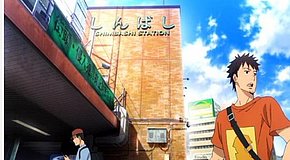
  • Makoto Fukamachi is shown moving through the urban area around Shimbashi Station, framed by the busy station-side streets of Tokyo.
  • This moment appears in the early part of the story, as Makoto Fukamachi moves through the streets and station area of Tokyo while chasing clues connected to a mysterious camera and to Joji Habu. The urban landscape around Shimbashi Station reinforces both the realism of his work as a journalist and the pressure building inside him: he is drawn to the world of high mountains and legendary climbers, yet he is also being pulled toward Habu’s obsessive way of living. Although he seems to be simply passing through an ordinary city space, he is in fact stepping deeper into a journey about fixation, solitude, and the limits of human will, and after this point his pursuit of Habu becomes more personal rather than detached. In real life, the anime scene is clearly based on the streets around Shimbashi Station, and the overall composition is quite accurate, especially in the scale of the roads, the arrangement of the buildings, and the atmosphere of a major transportation hub. The signage and storefront details are simplified or altered in the film, so the text is not reproduced exactly, but the sense of direction and station-front layout remains very faithful. Compared with the actual location, the anime uses slightly more muted colors to match the film’s restrained and weighty tone, while the real Shimbashi area is brighter, denser with signs, and often more crowded. If you compare the frame with Google Street View, you can still match the road alignment, station exterior, and surrounding rail infrastructure with a high degree of confidence, making this a very recognizable pilgrimage spot.
Which exit at Shimbashi Station is best for recreating this scene?
The Hibiya Exit and surrounding station-front streets are the best place to start, because they match the broad roadside urban look seen in the film. Check the exact angle against Street View before you go, since traffic islands and signage have changed over time.
Can I take photos freely around this Shimbashi Station anime spot?
Yes, you can generally photograph the public streets and station exterior, but tripods and blocking pedestrian flow are a bad idea in this busy area. Inside JR or subway ticketed zones, follow operator rules and avoid filming where staff ask you not to.
Is this location easy to visit for an anime pilgrimage without a car?
Absolutely—Shimbashi is a major rail hub served by JR, Tokyo Metro, Toei, and Yurikamome, so it is one of the easiest pilgrimage spots in central Tokyo. There are also plenty of cafes, convenience stores, and restrooms in and around the station.

© 2026 Coser Map. All rights reserved.